
Introduction to SKF 6206 2ZJEM Bearings
Understanding the Fundamentals of SKF 6206 2ZJEM Bearings
The SKF 6206 2ZJEM bearing is a high-performance deep groove ball bearing. It’s designed for various applications that require reliability and efficiency. This bearing has a single row design with deep raceways. The “2Z” in its name indicates that it has steel shields on both sides. “JEM” refers to the cage material and design.
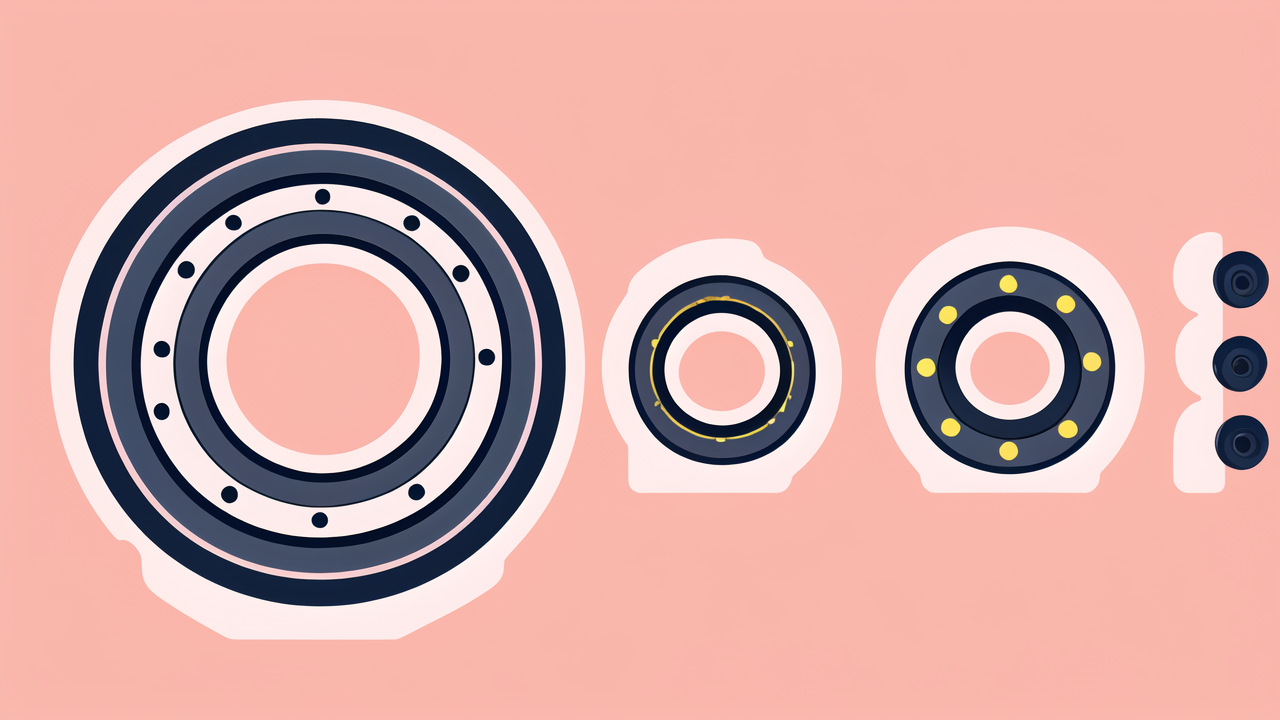
These bearings are known for their versatility and durability. They can handle both radial and axial loads in both directions. The steel shields protect the bearing from contaminants. They also help retain lubricant, extending the bearing’s life. The cage design improves ball guidance and reduces friction.
SKF 6206 2ZJEM bearings are precision-engineered. They offer smooth operation and low noise levels. These features make them ideal for many industrial and automotive applications. Understanding these basics helps in appreciating their wide-ranging uses.
The Evolution of SKF Bearing Design
SKF has a long history of innovation in bearing technology. The company started in 1907 and has been at the forefront of bearing design ever since. Early SKF bearings were simpler in design. They focused on basic load-bearing capabilities.
Over the years, SKF has made significant improvements. They’ve enhanced materials, manufacturing processes, and design techniques. These advancements have led to bearings like the 6206 2ZJEM. This model represents years of research and development.
Key milestones in SKF’s evolution include:
- Introduction of self-aligning ball bearings
- Development of sealed and shielded bearings
- Improvements in lubricant technology
- Integration of sensor technology in some models
The 6206 2ZJEM bearing benefits from this rich history. It incorporates many advanced features developed over decades. This evolution has resulted in a bearing that offers superior performance and longevity.
Key Features of SKF 6206 2ZJEM Bearings
Innovations in Material Technology
SKF 6206 2ZJEM bearings showcase advanced material technology. The bearing rings and balls are made from high-grade chrome steel. This material offers excellent hardness and wear resistance. It ensures the bearing can withstand heavy loads and high speeds.

The cage of the 6206 2ZJEM is typically made from polyamide. This material is lightweight and has low friction properties. It helps in reducing the overall weight of the bearing. The polyamide cage also improves the bearing’s ability to operate at high speeds.
SKF has also made advancements in heat treatment processes. These processes enhance the bearing’s dimensional stability. They also improve its resistance to fatigue. This means the bearing can maintain its performance over a longer period.
The steel shields are another area where material innovation is evident. They’re designed to provide effective sealing without increasing friction. This balance is crucial for maintaining the bearing’s efficiency.
Design Optimization and Its Impact on Performance
The design of the SKF 6206 2ZJEM bearing is optimized for peak performance. The deep groove design allows for high radial load capacity. It also provides good axial load handling in both directions. This versatility makes the bearing suitable for various applications.
The internal geometry of the bearing is carefully engineered. It ensures even load distribution across the rolling elements. This reduces stress on individual components and extends the bearing’s life. The optimized contact between balls and raceways minimizes friction and heat generation.
SKF has also focused on the raceway surface finish. A smoother surface reduces noise and vibration. It also improves the distribution of lubricant. These factors contribute to quieter operation and increased efficiency.
The cage design is another area of optimization. It’s engineered to guide the balls effectively. This reduces skidding and ensures smooth rotation. The result is improved speed capabilities and reduced wear.
Integration of Seal and Lubricant Systems
The SKF 6206 2ZJEM bearing features an integrated seal and lubricant system. The “2Z” designation indicates steel shields on both sides. These shields play a crucial role in the bearing’s performance and longevity.
The steel shields serve multiple purposes:
- They prevent contaminants from entering the bearing
- They help retain lubricant within the bearing
- They reduce maintenance requirements
The lubricant used in these bearings is specially formulated. It’s designed to work effectively over a wide temperature range. The lubricant also has good aging resistance. This ensures consistent performance over time.
SKF has optimized the amount of lubricant in the bearing. It’s enough to ensure proper lubrication without causing excessive churning. This balance helps maintain low friction and efficient operation.
The integration of seals and lubricant systems makes these bearings “greased for life.” This feature reduces maintenance needs and increases reliability in various applications.
Real-World Applications of SKF 6206 2ZJEM Bearings
The Importance in Industrial Machinery
SKF 6206 2ZJEM bearings play a crucial role in various industrial machinery. They’re commonly used in electric motors, pumps, and compressors. These applications require bearings that can handle high speeds and loads reliably.
In electric motors, these bearings support the rotor shaft. They ensure smooth rotation and help maintain proper alignment. This is crucial for the motor’s efficiency and longevity. The bearing’s low noise characteristics are particularly valuable in this context.
Pumps and compressors also benefit from these bearings. They can handle the radial and axial loads present in these machines. The sealed design helps prevent contamination in challenging environments. This is especially important in industries like oil and gas or chemical processing.
Other industrial applications include:
- Conveyor systems
- Gearboxes
- HVAC equipment
The versatility and reliability of SKF 6206 2ZJEM bearings make them a popular choice across industries.
Automotive Sector and High-Speed Applications
The automotive industry is another major user of SKF 6206 2ZJEM bearings. These bearings are found in various vehicle components. They’re used in alternators, water pumps, and transmission systems.
In alternators, these bearings support the rotor. They need to handle high speeds and maintain efficiency. The sealed design protects against environmental contaminants. This is crucial in the harsh conditions under a vehicle’s hood.
Transmission systems also use these bearings. They help ensure smooth gear changes and efficient power transfer. The bearing’s ability to handle both radial and axial loads is valuable here.
High-speed applications beyond automotive also use these bearings. Examples include:
- Machine tool spindles
- Turbomachinery
- High-speed fans and blowers
The SKF 6206 2ZJEM’s design allows it to perform well at high rotational speeds. This makes it suitable for these demanding applications.
The Role in Renewable Energy Solutions
Renewable energy is an emerging field where SKF 6206 2ZJEM bearings are making an impact. They’re used in various components of wind turbines and solar tracking systems.
In wind turbines, these bearings can be found in:
- Generator systems
- Gearboxes
- Pitch and yaw systems
The bearings’ ability to handle variable loads is crucial in wind power applications. They help ensure efficient power generation under changing wind conditions.
Solar tracking systems also use these bearings. They support the movement of solar panels to follow the sun. This application requires bearings that can operate reliably for long periods with minimal maintenance.
The sealed design of SKF 6206 2ZJEM bearings is particularly valuable in these outdoor applications. It protects against dust, moisture, and other environmental factors. This helps maintain performance and extends the life of the equipment.
As renewable energy continues to grow, the role of reliable bearings like the SKF 6206 2ZJEM becomes increasingly important. They contribute to the efficiency and durability of clean energy systems.


