
Understanding Bearings 6206: Types and Uses
What Are Bearings 6206?
Bearings 6206 are a type of ball bearing widely used in various industries. They consist of an inner ring,
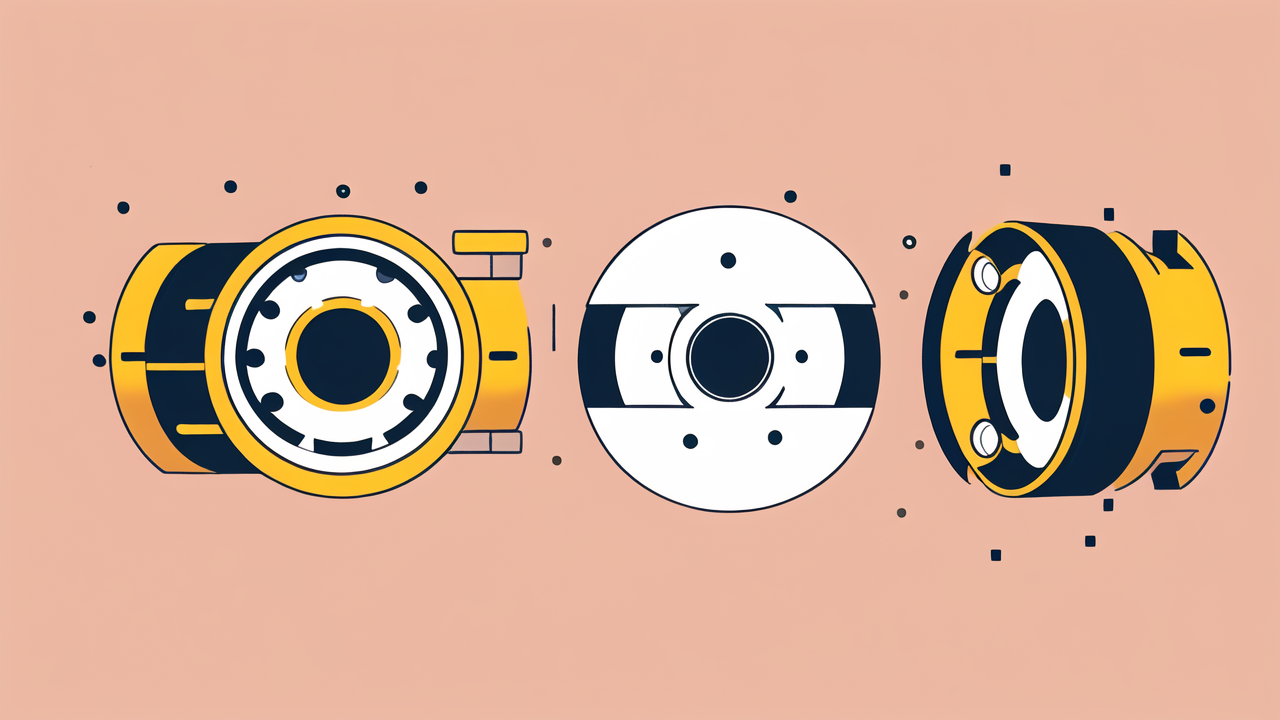
outer ring, and rolling elements. These bearings are known for their versatility and reliability. They
come in different materials, such as steel or ceramic, to suit various applications.
Bearings 6206 have a bore diameter of 30mm and an outer diameter of 62mm. They are designed to handle both
radial and axial loads. This makes them ideal for many machinery types. Their compact size and high load
capacity make them a popular choice among engineers and manufacturers.
How Bearings 6206 Support Machinery and Equipment
Bearings 6206 play a crucial role in many types of machinery. They reduce friction between moving parts,
allowing for smooth rotation. This helps to increase efficiency and reduce wear and tear on equipment.
These bearings are commonly found in electric motors, pumps, and gearboxes. They also support shafts in
various industrial applications. By minimizing friction, they help to reduce energy consumption and
extend the life of machinery. Proper use of bearings 6206 can lead to significant cost savings over time.
Effective Maintenance Practices for Bearings 6206
Regular Inspection and What to Look Out For
Regular inspection is key to maintaining bearings 6206. It helps catch issues early, preventing costly

breakdowns. Here’s what to look for during inspections:
- Unusual noises or vibrations
- Signs of wear on the bearing surfaces
- Presence of contaminants or debris
- Proper alignment of the bearing
- Condition of seals and shields
Perform visual checks regularly. Use tools like stethoscopes or vibration analyzers for deeper inspections.
Keep detailed records of each inspection. This helps track changes over time and predict potential failures.
Lubrication Techniques for Maximizing Performance
Proper lubrication is crucial for the longevity of bearings 6206. It reduces friction, prevents wear, and
helps dissipate heat. Here are some key lubrication tips:
- Choose the right lubricant for your application
- Use the correct amount of lubricant – over-greasing can be harmful
- Follow a regular lubrication schedule
- Clean the bearing before re-lubrication
- Use proper tools for lubrication to avoid contamination
Consider using automatic lubrication systems for consistent results. Always refer to the manufacturer’s
guidelines for specific lubrication requirements. Proper lubrication can significantly extend the life of
your bearings 6206.
Identifying and Addressing Common Issues with Bearings 6206
Being able to spot and fix common issues can prevent major failures. Here are some problems to watch for:
- Overheating: Check for proper lubrication and alignment
- Excessive vibration: Look for imbalance or misalignment
- Unusual noise: Could indicate damage or lack of lubrication
- Seal failure: Replace seals promptly to prevent contamination
- Excessive wear: May require bearing replacement
Address these issues promptly when detected. Use root cause analysis to prevent recurrence. Regular
training for maintenance staff can improve problem identification and resolution. Remember, early
detection and action can save time and money in the long run.
Innovative Strategies to Maintain Bearings 6206
Adopting Modern Maintenance Technologies
New technologies can greatly improve bearing maintenance. Consider these modern approaches:

- Vibration analysis: Detects issues before they become serious
- Thermography: Identifies overheating problems
- Oil analysis: Checks lubricant condition and bearing wear
- Ultrasonic testing: Finds defects in bearing structure
- Online monitoring systems: Provide real-time data on bearing health
These technologies allow for predictive maintenance. They help prevent unexpected failures and optimize
maintenance schedules. While initial investment may be high, the long-term benefits often outweigh the costs.
Implementing Preventive Maintenance Protocols
A strong preventive maintenance program can significantly extend bearing life. Here’s how to implement one:
- Create a detailed maintenance schedule
- Train staff on proper maintenance procedures
- Use checklists to ensure all steps are followed
- Keep accurate records of all maintenance activities
- Regularly review and update your maintenance plan
Tailor your program to your specific operating conditions. Consider factors like load, speed, and
environment. Involve operators in the maintenance process. They can often spot issues early. Remember,
consistency is key in preventive maintenance.
Tips for Long-Term Storage and Handling
Proper storage and handling are crucial for maintaining bearings 6206. Follow these guidelines:
- Store bearings in a clean, dry environment
- Keep bearings in their original packaging until use
- Avoid exposing bearings to moisture or corrosive substances
- Handle bearings with clean, dry hands or gloves
- Use proper tools for installation and removal
When storing long-term, consider using protective oils or wraps. Rotate stored bearings periodically to
prevent false brinelling. Always clean and inspect bearings before installation. Proper storage and
handling can prevent damage and ensure optimal performance when the bearings are put into use.
In conclusion, maintaining bearings 6206 requires a combination of regular inspections, proper
lubrication, and prompt problem-solving. By adopting modern technologies and implementing strong
preventive maintenance protocols, you can significantly extend the lifespan of your bearings. Remember,
the key to successful bearing maintenance is consistency and attention to detail.


