
Understanding 6201 Ball Bearings
What Are 6201 Ball Bearings?
6201 ball bearings are small, versatile components used in many machines. They help reduce friction between moving parts. These bearings have a specific size and load capacity. The ‘6201’ code tells us about its dimensions and type.

6201 bearings have an inner diameter of 12mm, an outer diameter of 32mm, and a width of 10mm. They are made of high-quality steel. This makes them durable and able to handle both radial and axial loads.
These bearings are popular in many industries. You can find them in electric motors, pumps, and even skateboard wheels. Their small size and high performance make them a go-to choice for many applications.
The Importance of Proper Ball Bearing Maintenance
Proper maintenance of 6201 ball bearings is crucial for several reasons. First, it ensures that your machinery runs smoothly. Well-maintained bearings reduce friction, which means less wear on other parts.
Regular care also extends the life of your bearings. This saves you money in the long run. You won’t need to replace them as often. Plus, it reduces downtime for repairs or replacements.
Good maintenance also improves safety. Faulty bearings can cause machines to fail. This can lead to accidents or injuries. By keeping your bearings in top shape, you’re protecting your workers and equipment.
Lastly, proper care helps maintain the efficiency of your machinery. When bearings work well, machines use less energy. This can lead to significant cost savings over time.
Preventive Measures for 6201 Ball Bearing Care
Regular Lubrication and Cleaning
Lubrication is key to keeping your 6201 ball bearings in good shape. It reduces friction and prevents wear. Choose the right lubricant for your specific application. Some bearings need oil, while others work best with grease.

Follow a regular lubrication schedule. How often you lubricate depends on the bearing’s use. High-speed or high-load applications may need more frequent care. Always refer to the manufacturer’s guidelines.
Cleaning is just as important as lubrication. Dirt and debris can damage bearings. They can also make lubricants less effective. Clean your bearings regularly with the right solvents.
Here’s a simple cleaning process:
- Remove the bearing carefully
- Soak it in a cleaning solution
- Use a soft brush to remove dirt
- Rinse with clean solvent
- Dry thoroughly with compressed air
- Re-lubricate before reinstalling
Remember, always handle bearings with clean hands or gloves. Even small amounts of dirt can cause problems.
Protection from Physical Impact and Wear and Tear
Protecting 6201 ball bearings from physical impact is crucial. Even small shocks can damage them. Here are some tips to prevent impact damage:
- Handle bearings with care during installation and removal
- Use proper tools designed for bearing work
- Avoid dropping or bumping bearings
- Store bearings in a clean, dry place when not in use
Wear and tear is normal, but you can slow it down. Proper alignment is key. Misaligned bearings wear out faster. Use precision tools to ensure correct installation.
Temperature control also matters. Extreme heat or cold can damage bearings. Make sure your bearings operate within their recommended temperature range.
Lastly, protect bearings from contaminants. Use seals or shields when possible. This keeps dirt and moisture out. It also helps keep lubricant in.
Advanced Maintenance Techniques for 6201 Ball Bearings
Identifying and Addressing Signs of Wear and Tear
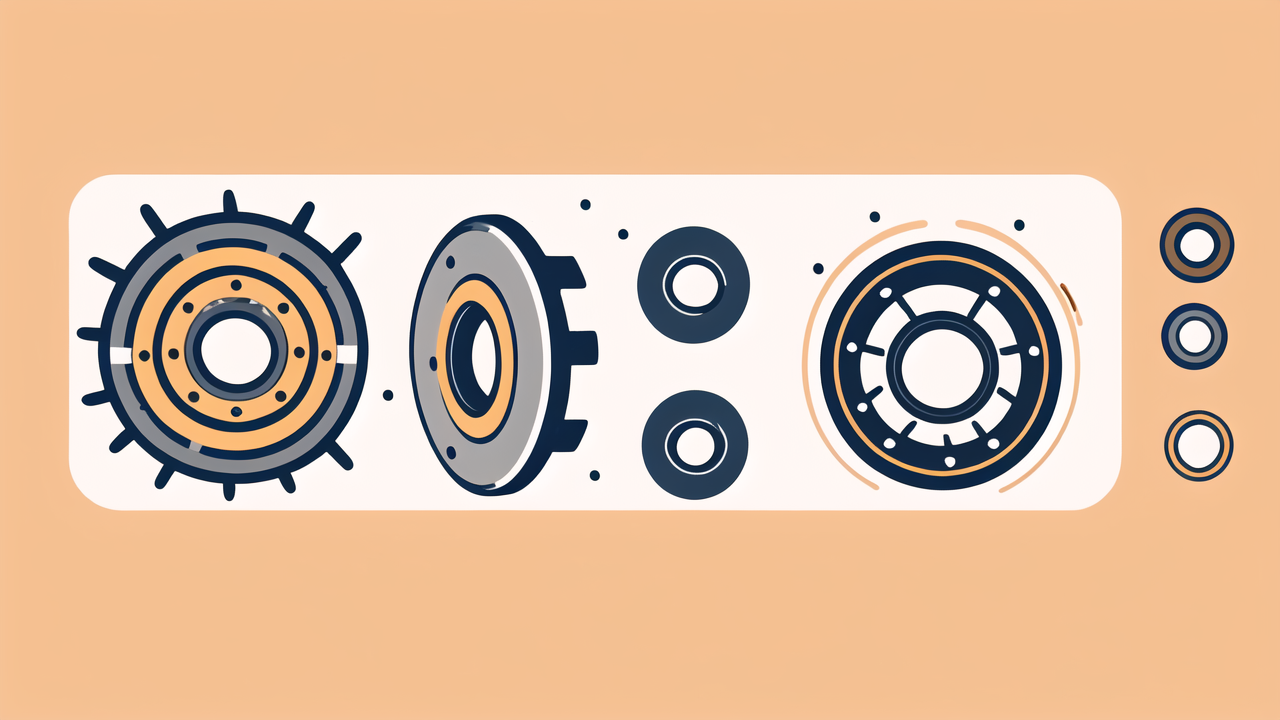
Spotting wear and tear early can save you from bigger problems later. Here are some signs to watch for:
- Unusual noise: Grinding, squealing, or clicking sounds
- Vibration: Excessive shaking or wobbling
- Heat: Bearings that are hotter than normal
- Resistance: Difficulty in rotation or movement
If you notice these signs, take action. First, check the lubrication. Sometimes, adding fresh lubricant can solve the problem. If not, you may need to clean or replace the bearing.
Use tools like vibration analysis to spot issues early. This can detect problems before they become serious. Regular inspections are also important. Look for visible damage or wear.
Remember, addressing small issues quickly can prevent major failures. Don’t ignore minor changes in how your bearings perform. Quick action can save time and money in the long run.
When to Consider Replacement for Your Ball Bearings
Knowing when to replace your 6201 ball bearings is crucial. Even with good care, bearings don’t last forever. Here are some signs that it’s time for a replacement:
- Visible damage: Cracks, chips, or severe rust
- Excessive play: Too much movement in the bearing
- Persistent noise: Sounds that don’t go away after lubrication
- Reduced performance: Machine not working as well as before
- Age: Bearings past their expected lifespan
Don’t wait for complete failure before replacing. This can cause damage to other parts. It can also lead to unexpected downtime. Plan your replacements based on regular inspections.
When replacing, always use high-quality bearings. Cheap replacements may save money upfront. But they often lead to more problems and costs later. Stick to trusted brands and suppliers.
Consider the environment when choosing replacements. If your bearings failed due to specific conditions, look for options that can handle those challenges better.
Remember, replacing bearings is a chance to improve your system. You might find newer models that perform better or last longer. Always consult with experts or manufacturers for the best options.
In conclusion, proper maintenance of 6201 ball bearings is key to their longevity. Regular care, protection from damage, and timely replacements can greatly extend their life. By following these tips, you can ensure your bearings – and the machines they support – keep running smoothly for years to come.


