
Understanding the Function of Deep Groove Ball Bearings
The Mechanics Behind Double Row Bearings
Double row deep groove ball bearings are crucial components in many machines. They consist of two rows of balls held between inner and outer rings. This design allows them to handle both radial and axial loads effectively. The balls roll smoothly in the grooves, reducing friction and allowing for high-speed rotation.
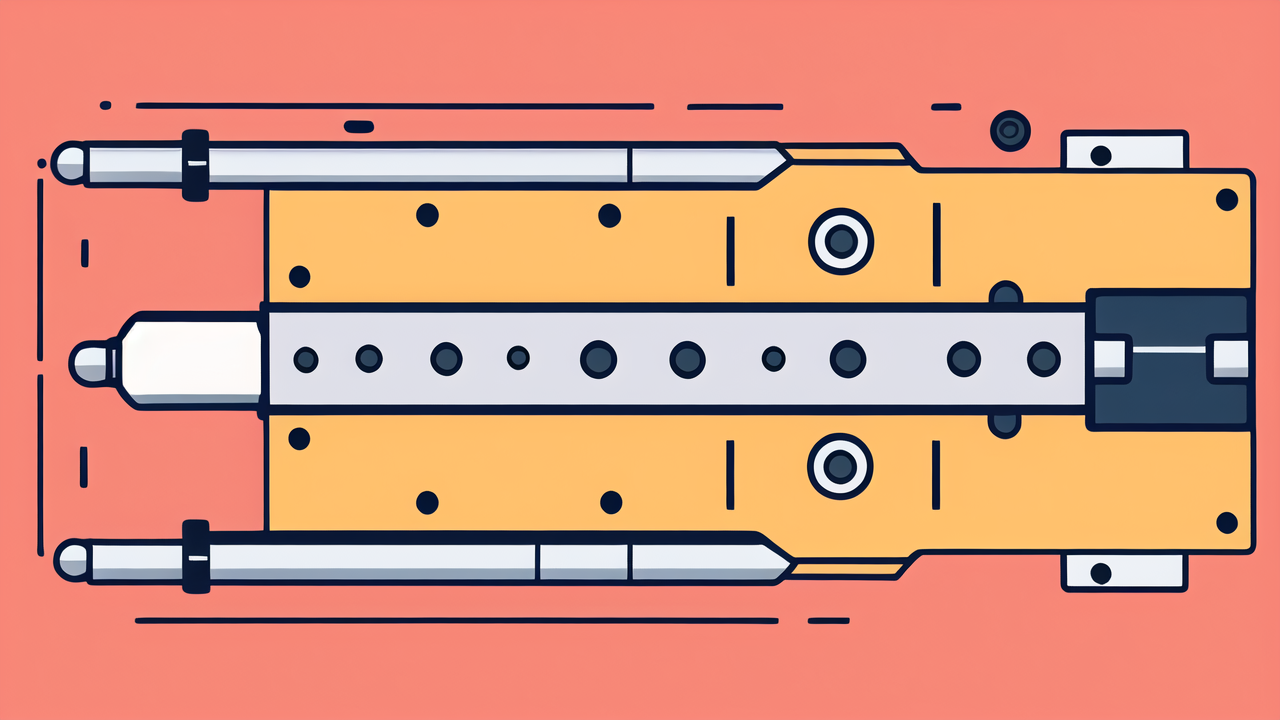
These bearings can support heavier loads than single row bearings. This is because the load is distributed across two rows of balls. The double row design also provides better stability and alignment. This is especially important in applications with complex or varying load conditions.
Advantages of Double Row Deep Groove Ball Bearings
Double row bearings offer several key benefits over single row options. They have higher load capacity, both radially and axially. This makes them ideal for heavy-duty applications. They also provide better shaft support and alignment, reducing vibration and noise.
These bearings are self-aligning to a degree. This helps compensate for minor misalignments in the shaft or housing. They also have lower friction, which leads to cooler operation and longer service life. In many cases, using a double row bearing can replace two single row bearings, simplifying design and maintenance.
Applications in Different Machinery
Double row deep groove ball bearings are used in a wide range of machinery. In the automotive industry, they’re found in wheel hubs, transmissions, and electric motors. Industrial applications include pumps, compressors, and conveyor systems. They’re also used in agricultural equipment, construction machinery, and wind turbines.
These bearings excel in applications with high speeds or heavy loads. They’re particularly useful where space is limited but load capacity is crucial. In precision machinery, they help maintain accuracy and smooth operation. Their versatility makes them a popular choice across many sectors of industry.
Integrating Double Row Deep Groove Ball Bearings into Machinery Design
Design Considerations for Optimal Performance
When designing machinery with double row deep groove ball bearings, several factors must be considered. The load type and magnitude are crucial. Engineers must account for both radial and axial loads. The operating speed is also important, as it affects lubrication needs and heat generation.
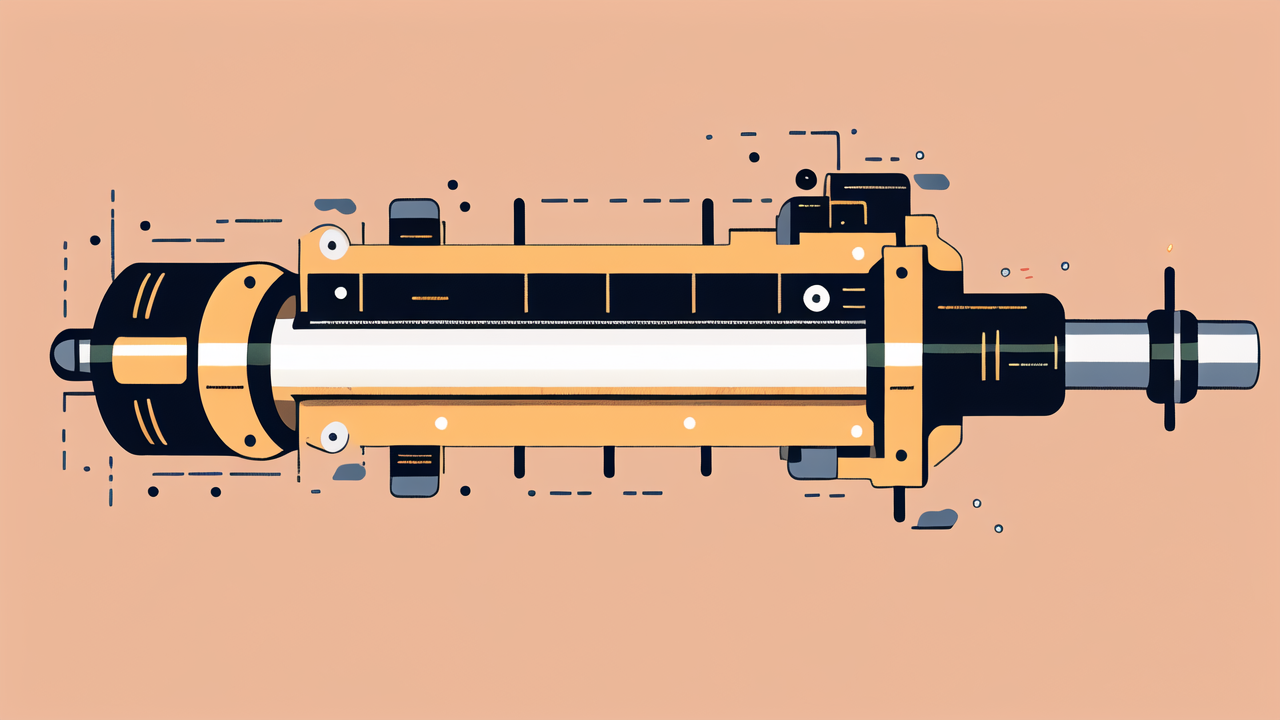
The bearing’s fit within the housing and on the shaft is critical. Too tight a fit can lead to stress and premature failure. Too loose, and the bearing may slip or vibrate. The material of the bearing and surrounding components must be compatible. This ensures proper thermal expansion and prevents corrosion.
The Role of Bearings in Machinery Efficiency
Bearings play a vital role in machine efficiency. They reduce friction, which decreases energy loss and heat generation. Lower friction means less power is needed to operate the machine. This leads to energy savings and lower operating costs.
Double row bearings can improve efficiency even further. Their higher load capacity allows for smaller, lighter designs. This can reduce the overall weight and size of machinery. The improved stability they provide can also increase precision and reduce wear on other components.
Trends in Machine Design and Deep Groove Ball Bearings
Recent trends in machine design have led to new developments in bearing technology. There’s a growing demand for bearings that can operate at higher speeds and under heavier loads. This has led to improvements in materials and manufacturing techniques for double row bearings.
Sustainability is another key trend. Designers are looking for bearings with longer service life and lower friction. This reduces waste and energy consumption. Smart bearings with integrated sensors are also emerging. These can monitor their own condition and performance, enabling predictive maintenance.
Best Practices in Maintenance and Upkeep of Double Row Bearings
Routine Maintenance and Inspection Tips
Regular maintenance is crucial for the longevity of double row deep groove ball bearings. Proper lubrication is the most important aspect. The right type and amount of lubricant must be used. Over-lubrication can be as harmful as under-lubrication.
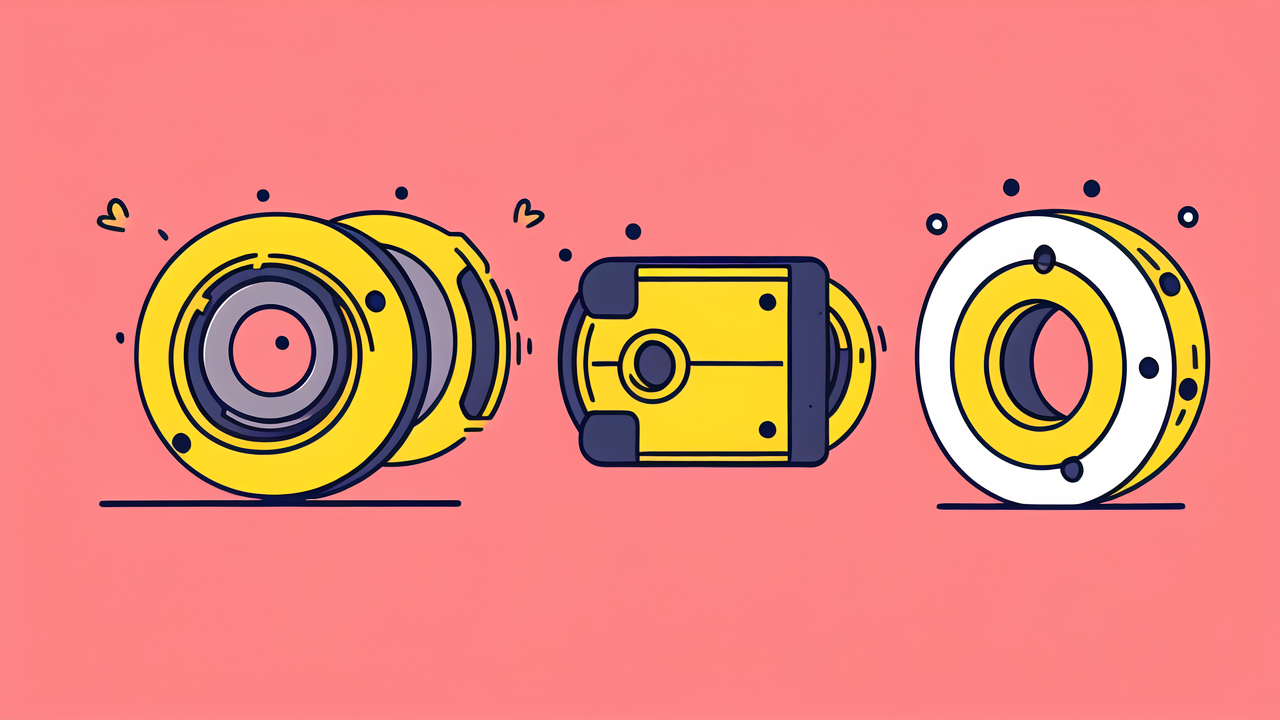
Regular inspections should check for signs of wear or damage. This includes looking for unusual noise, vibration, or heat. The bearing’s seals or shields should be checked for damage. Any contamination should be cleaned out carefully. It’s also important to ensure the bearing is properly aligned and tightened.
Troubleshooting Common Issues with Deep Groove Bearings
Common issues with double row bearings include excessive noise, vibration, and overheating. Noise often indicates a lack of lubrication or contamination. Vibration can be caused by misalignment or damage to the bearing surfaces. Overheating may result from over-lubrication or excessive load.
If these issues occur, the first step is to check the lubrication. Next, inspect for signs of wear or damage. Check the alignment of the shaft and housing. If the problem persists, it may be necessary to remove and clean the bearing. In some cases, replacement may be the best option.
When to Consider a Bearing Upgrade or Replacement
Bearings should be replaced when they show signs of significant wear or damage. This includes visible pitting or scoring on the races or balls. Excessive play or looseness in the bearing is another sign that replacement is needed. If the bearing is making unusual noises or vibrating excessively, it may be time for a change.
Sometimes, upgrading to a higher quality or different type of bearing can improve performance. This might be necessary if the operating conditions have changed. For example, if loads have increased or speeds have become higher. Upgrading can also be beneficial if downtime is very costly, as higher quality bearings often last longer.


