
Understanding 6201 2Z Bearings: An Overview
What Are 6201 2Z Bearings?
6201 2Z bearings are a type of deep groove ball bearing. They are widely used in various mechanical applications. The ‘6201’ refers to the bearing’s specific dimensions and design. The ‘2Z’ indicates that it has metal shields on both sides.
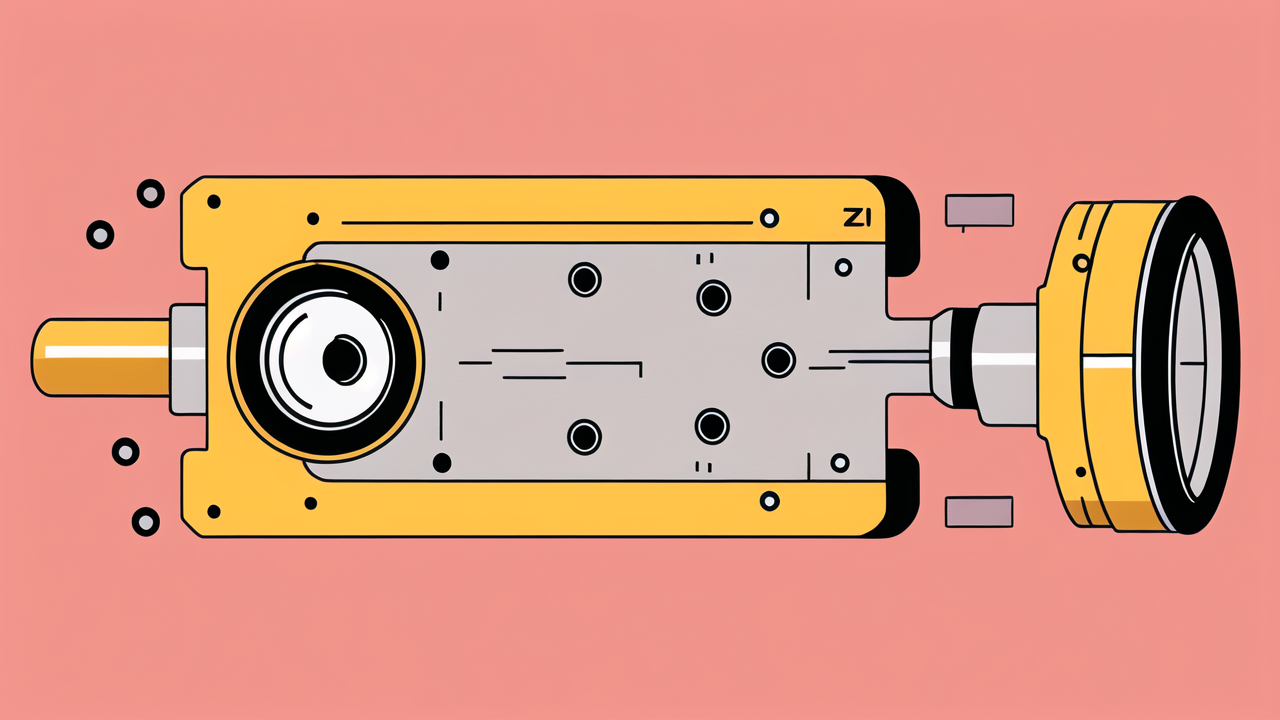
These bearings consist of an inner ring, outer ring, and rolling elements. The balls inside allow for smooth rotation between the rings. The metal shields protect the bearing from dust and debris. This design helps extend the bearing’s lifespan.
6201 2Z bearings are known for their versatility and reliability. They can handle both radial and axial loads. This makes them suitable for many different machines and devices.
The Significance of Bearings in Machinery
Bearings play a crucial role in the function of many machines. They reduce friction between moving parts. This allows for smoother operation and less wear and tear. Without bearings, many machines would quickly break down.
In industrial settings, bearings help machinery run efficiently. They support rotating shafts and help manage heavy loads. This leads to less energy consumption and lower maintenance costs.
Bearings also contribute to safety in machinery. They help prevent overheating and reduce the risk of mechanical failure. This is especially important in high-speed or high-load applications.
The right bearing can greatly improve a machine’s performance and lifespan. That’s why choosing the correct bearing, like the 6201 2Z, is crucial in engineering and design.
Properties of 6201 2Z Bearings
Material and Construction Details
6201 2Z bearings are made from high-quality materials. The rings and balls are typically made of chrome steel. This material offers excellent hardness and wear resistance. The metal shields are usually made of steel or brass.

The bearing’s construction involves precise engineering. The balls are carefully sized and polished to ensure smooth operation. The inner and outer rings are machined to tight tolerances. This ensures proper fit and function.
The ‘2Z’ in the name refers to the metal shields on both sides. These shields are press-fit into the outer ring. They protect the bearing’s internals from contaminants. However, they still allow for some lubrication to enter.
The bearing’s design also includes a cage. This separates the balls and keeps them evenly spaced. The cage is usually made of polyamide or brass. It helps reduce friction and noise during operation.
Measurement and Size Specifications
6201 2Z bearings have specific dimensions that define their size and capabilities. Here are the key measurements:
- Inner diameter: 12 mm
- Outer diameter: 32 mm
- Width: 10 mm
- Dynamic load capacity: 7,280 N
- Static load capacity: 3,750 N
- Maximum speed: 32,000 rpm
These specifications are crucial for proper fitting and application. Engineers must consider these when designing machinery. The correct fit ensures optimal performance and longevity.
The bearing’s size makes it suitable for various applications. It’s small enough for compact devices, yet robust enough for industrial use. This versatility contributes to its popularity in many fields.
Performance and Strength Characteristics
6201 2Z bearings are known for their excellent performance characteristics. They can handle both radial and axial loads. This makes them suitable for a wide range of applications. The bearing’s design allows for high-speed operation, up to 32,000 rpm.
The dynamic load capacity of 7,280 N indicates the bearing’s strength under motion. This is the load at which the bearing will have a life expectancy of one million revolutions. The static load capacity of 3,750 N is the maximum load the bearing can handle when not rotating.
These bearings operate well in temperatures ranging from -30°C to 120°C. This wide temperature range adds to their versatility. The metal shields help retain lubricant, extending the bearing’s life.
6201 2Z bearings are also known for their low friction properties. This results in smooth operation and reduced heat generation. The precision engineering of these bearings contributes to their quiet operation.
Applications and Maintenance of 6201 2Z Bearings
Common Uses in Industry
6201 2Z bearings find applications in various industries due to their versatility. Here are some common uses:
- Electric motors: These bearings support motor shafts in many types of electric motors.
- Automotive: They’re used in alternators, water pumps, and other car components.
- Home appliances: Many washing machines and dryers use these bearings.
- Industrial machinery: They’re found in conveyor systems and manufacturing equipment.
- HVAC systems: Air conditioners and fans often incorporate these bearings.
- Power tools: Drills, saws, and other handheld tools use 6201 2Z bearings.
- Agricultural equipment: They’re used in various farm machinery components.
The bearing’s ability to handle both radial and axial loads makes it suitable for these diverse applications. Its compact size and high-speed capability also contribute to its widespread use.
Best Practices for Bearing Maintenance
Proper maintenance is crucial for extending the life of 6201 2Z bearings. Here are some best practices:
- Regular inspection: Check for signs of wear, noise, or vibration.
- Proper lubrication: Use the right type and amount of grease or oil.
- Clean environment: Keep the area around the bearing free from dust and debris.
- Correct installation: Ensure the bearing is properly aligned and fitted.
- Avoid overloading: Stay within the bearing’s specified load capacity.
- Monitor temperature: Excessive heat can indicate problems.
- Handle with care: Use proper tools when installing or removing bearings.
Following these practices can significantly extend the bearing’s lifespan. It also helps maintain the efficiency and safety of the machinery it’s used in.
Troubleshooting Common Issues with Bearings
Even with proper maintenance, bearings can develop issues. Here are some common problems and their possible causes:
- Excessive noise: This could indicate lack of lubrication or contamination.
- Vibration: Misalignment or damage to the bearing races might cause this.
- Overheating: This may result from overloading or insufficient lubrication.
- Seal failure: Damaged seals can lead to contamination and premature failure.
- Corrosion: Exposure to moisture or harsh chemicals can cause this.
- Fatigue: Normal wear over time can lead to bearing failure.
When troubleshooting, start by checking lubrication and alignment. Look for signs of contamination or damage. If problems persist, consider replacing the bearing.
Remember, early detection of issues can prevent costly machinery downtime. Regular monitoring and maintenance are key to avoiding serious bearing problems.


