
Understanding the 6006 Bearing Market
The Role of 6006 Bearings in Industry
6006 bearings play a crucial role in various industrial applications. These precision components are
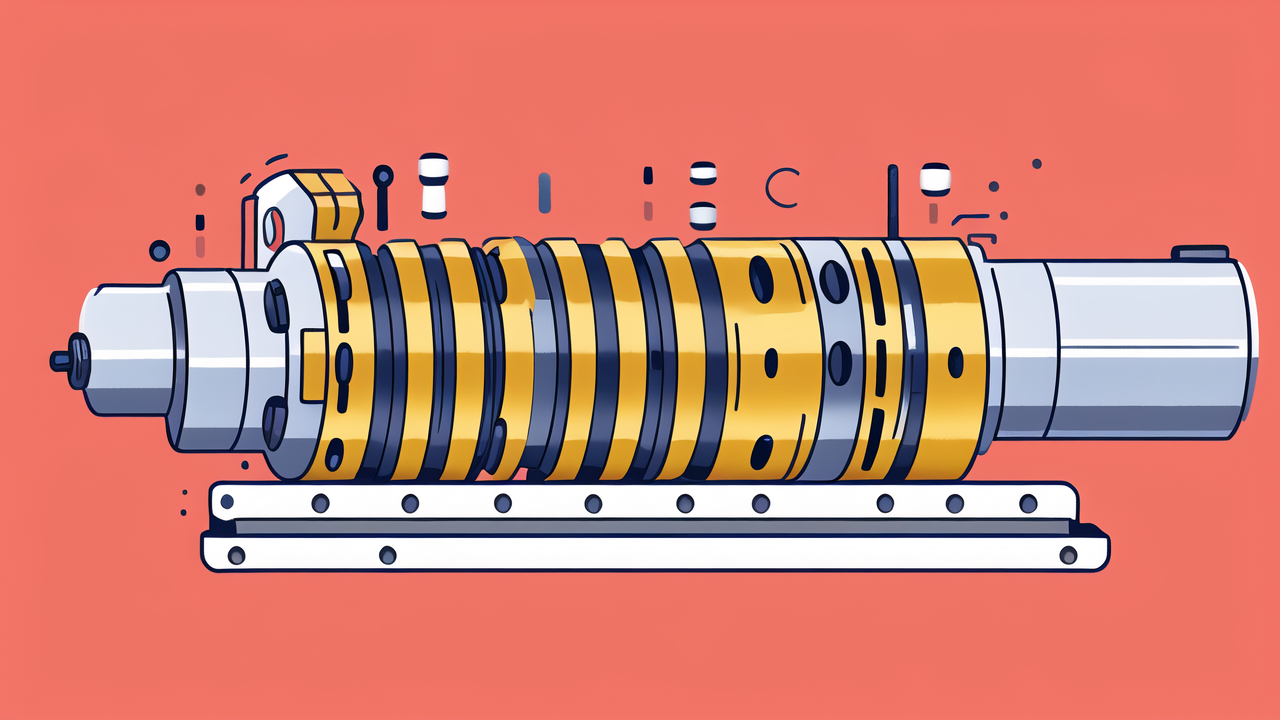
essential for smooth rotation in machinery. They’re commonly used in electric motors, pumps, and
gearboxes. 6006 bearings are known for their reliability and load-bearing capacity.
Industries rely on these bearings for consistent performance. They reduce friction, minimize wear,
and extend equipment life. The automotive sector uses them in wheel hubs and transmissions. In
manufacturing, they’re vital for conveyor systems and processing equipment.
The demand for 6006 bearings is steady across multiple sectors. This consistent need influences
market dynamics and pricing. Understanding their importance helps in grasping market trends and price
fluctuations.
Key Players and Manufacturers in the 6006 Bearing Market
The 6006 bearing market is dominated by several major manufacturers. These companies shape industry
standards and pricing trends. Some key players include SKF, Schaeffler Group, and NSK Ltd.
SKF, a Swedish company, is known for high-quality bearings. They invest heavily in research and
development. Schaeffler Group, based in Germany, offers a wide range of bearing solutions. NSK Ltd.,
from Japan, is recognized for its innovative bearing designs.
Other notable manufacturers include:
- Timken Company
- NTN Corporation
- JTEKT Corporation
- Nachi-Fujikoshi Corp.
These companies compete on quality, price, and technological innovation. Their market presence and
production capabilities significantly influence 6006 bearing prices globally.
Factors Affecting 6006 Bearing Prices
Production Costs and Supply Chain Dynamics
Production costs are a major factor in determining 6006 bearing prices. Raw material costs,

especially steel, have a significant impact. Fluctuations in steel prices directly affect bearing
production expenses.
Labor costs also play a role in pricing. Countries with lower labor costs may offer more competitive
prices. However, this can be offset by shipping and import costs for international buyers.
Supply chain efficiency is crucial for managing prices. Disruptions in the supply chain can lead to
price increases. For example, the COVID-19 pandemic caused supply chain issues, affecting prices.
Energy costs in manufacturing countries also influence prices. Countries with higher energy costs
may have higher production expenses. This can lead to price variations across different regions.
Inventory management affects pricing as well. Oversupply can lead to price drops, while shortages
can cause price spikes. Manufacturers and distributors must balance supply and demand carefully.
Technological Advancements and Their Impact on Prices
Technological advancements significantly impact 6006 bearing prices. Improved manufacturing processes
can reduce production costs. This can lead to more competitive pricing in the market.
Automation in production lines is a key factor. It increases efficiency and reduces labor costs.
This can result in lower prices for consumers. However, initial investments in automation may
temporarily increase prices.
New materials and coatings can enhance bearing performance. These innovations may initially increase
costs. But they can also extend bearing life, offering better value in the long run.
Precision manufacturing techniques improve bearing quality. This can justify higher prices for
premium products. Customers often pay more for bearings with tighter tolerances and better
performance.
Digital technologies in quality control reduce defects. This lowers waste and production costs. It
can help manufacturers maintain competitive prices while ensuring high quality.
Advanced lubrication technologies can also affect pricing. Better lubrication extends bearing life.
This can influence pricing strategies, as longer-lasting bearings may command higher prices.
Navigating the Future of 6006 Bearings
Predicting Industry Trends and Price Movements
The future of 6006 bearings is shaped by several emerging trends. Industry 4.0 is driving demand for
smart bearings with sensors. These advanced bearings may come with higher price tags initially.
Environmental concerns are pushing for more sustainable manufacturing. This could lead to new,
eco-friendly materials in bearings. Such innovations might affect pricing in the short term.
Global economic factors will continue to influence bearing prices. Trade policies and international
relations can impact material costs and supply chains. This makes price predictions challenging but
crucial for businesses.
Market consolidation through mergers and acquisitions is likely. This could affect competition and
pricing dynamics. Fewer players might lead to more stable prices, but less competition.
The electric vehicle market growth will impact bearing demand. As EVs become more common, the demand
for specific bearings will change. This shift could influence pricing in the automotive sector.
Predictive maintenance technologies are becoming more prevalent. This might affect how bearings are
valued and priced. Bearings with longer lifespans or self-monitoring capabilities may cost more.
Strategies for Businesses to Manage Price Changes
Businesses can adopt several strategies to manage 6006 bearing price changes. Long-term contracts
with suppliers can provide price stability. This helps in budgeting and reduces the impact of
short-term market fluctuations.
Diversifying supplier bases is another effective strategy. It reduces dependency on a single source.
This can help businesses negotiate better prices and ensure supply continuity.
Implementing just-in-time inventory management can be beneficial. It reduces storage costs and
aligns purchases with current market prices. However, it requires careful planning to avoid
shortages.
Investing in predictive analytics can help forecast price trends. This allows businesses to make
informed purchasing decisions. It’s especially useful in volatile market conditions.
Exploring alternative materials or designs can mitigate price risks. This may involve working with
suppliers to develop cost-effective solutions. It’s a proactive approach to managing long-term costs.
Regular market analysis and supplier performance reviews are crucial. They help businesses stay
informed about market trends. This knowledge is vital for timely decision-making on purchases and
inventory.
Considering total cost of ownership, not just purchase price, is important. Sometimes, paying more
for higher quality bearings can be more economical. It can reduce maintenance costs and downtime in
the long run.


