
Understanding 2z c3 Bearings: An Overview
What Are 2z c3 Bearings?
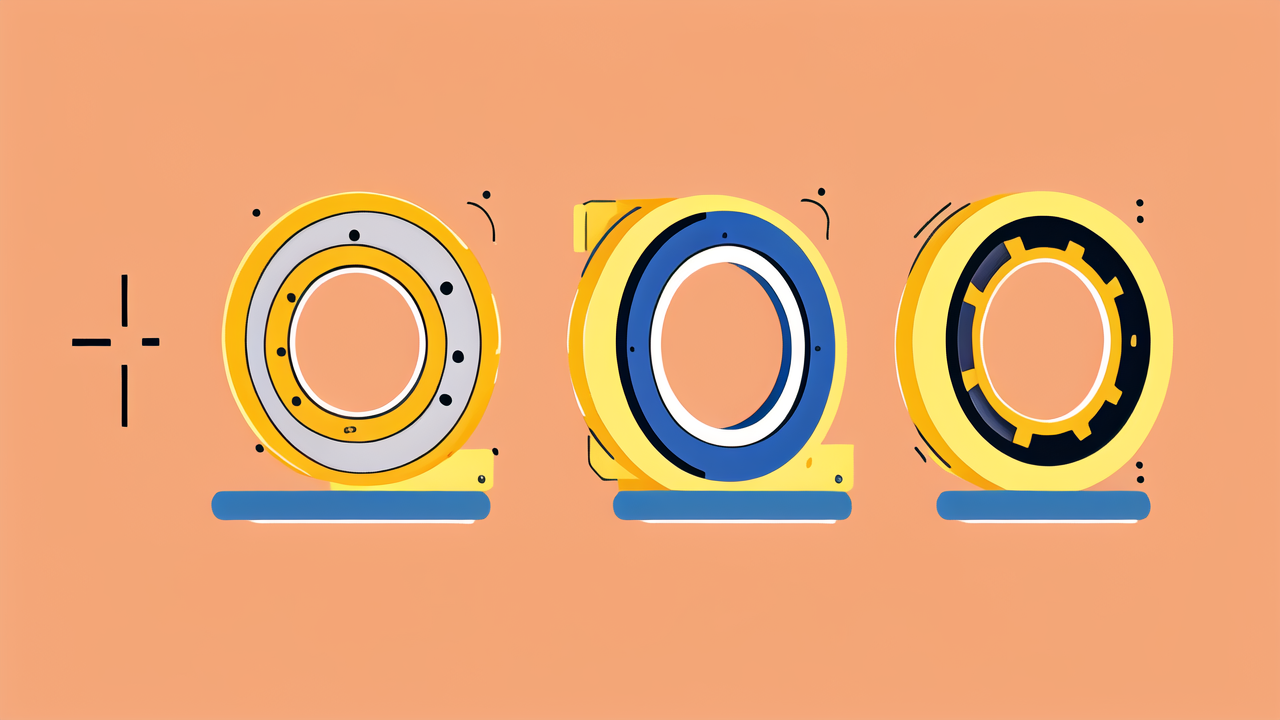
2z c3 bearings are a type of precision bearing used in various industrial applications. The ‘2z’ refers to metal shields on both sides of the bearing. These shields protect the bearing from dust and debris. The ‘c3’ indicates internal clearance, which is slightly larger than standard. This design allows for better performance in high-speed or high-temperature conditions.

2z c3 bearings are known for their durability and reliability. They are often used in electric motors, pumps, and other rotating machinery. The combination of shielding and increased clearance makes them ideal for demanding environments. These bearings can operate efficiently in a wide range of temperatures and speeds.
The Importance of Bearings in Machinery
Bearings play a crucial role in the smooth operation of machinery. They reduce friction between moving parts, allowing for efficient rotation. This friction reduction leads to less wear and tear on components. It also helps to minimize energy consumption, making machines more efficient.
In industrial settings, bearings are often the unsung heroes of equipment reliability. They support heavy loads while facilitating movement. Without proper bearing function, machinery can quickly break down. This can lead to costly downtime and repairs. Choosing the right bearings, like 2z c3 bearings, is essential for maintaining productivity.
Identifying Signs of Wear and Tear in Bearings
Regular inspection of bearings is crucial for preventing unexpected failures. Here are some common signs of bearing wear:
- Unusual noises: Grinding, squealing, or rumbling sounds
- Excessive vibration: Felt in the machine or surrounding area
- Heat buildup: Bearings feeling hotter than usual
- Reduced performance: Machine not operating as smoothly as before
- Visible damage: Cracks, chips, or discoloration on the bearing
Early detection of these signs can prevent more serious damage. It allows for timely replacement or maintenance of the bearings. This proactive approach can save time and money in the long run. Regular monitoring is key to extending the life of your machinery.
Best Practices for Selecting 2z c3 Bearings
Factors to Consider When Choosing Bearings
Selecting the right 2z c3 bearing involves several key factors:
- Load capacity: Consider both radial and axial loads the bearing will face
- Speed requirements: Ensure the bearing can handle the operational speed
- Operating temperature: Choose bearings suitable for the expected temperature range
- Environmental conditions: Consider exposure to moisture, dust, or chemicals
- Space constraints: Ensure the bearing fits within the available space
- Lubrication needs: Determine if the application requires sealed or shielded bearings
- Expected lifespan: Consider the bearing’s durability for the intended use
Carefully evaluating these factors will help in choosing the most suitable 2z c3 bearing. It’s often helpful to consult with a bearing specialist or manufacturer. They can provide guidance based on your specific application needs.
The Role of Material and Manufacturing in Bearing Selection
The materials used in 2z c3 bearings greatly impact their performance. High-quality steel is typically used for the rings and rolling elements. This ensures durability and load-bearing capacity. The choice of cage material is also important. It can affect the bearing’s speed capabilities and heat resistance.
Manufacturing processes play a crucial role in bearing quality. Precision grinding and honing create smooth surfaces. This reduces friction and extends bearing life. Heat treatment processes improve the hardness and durability of the bearing components. Quality control measures during production ensure consistency and reliability.
When selecting bearings, consider the manufacturer’s reputation and quality standards. Look for bearings made with high-grade materials and advanced manufacturing techniques. This attention to material and manufacturing quality can significantly impact the bearing’s performance and lifespan.
Ensuring Compatibility with Machinery and Equipment
Compatibility is crucial when selecting 2z c3 bearings. Consider these aspects:
- Shaft and housing dimensions: Ensure proper fit
- Mounting method: Choose bearings that match the existing mounting setup
- Load direction: Select bearings designed for the specific load orientation
- Speed requirements: Match bearing capabilities to machine operating speeds
- Sealing needs: Consider the level of protection required for your environment
- Lubrication system: Ensure the bearing is compatible with your lubrication method
Consult equipment manuals and specifications when selecting replacement bearings. If upgrading, consider how the new bearings will interact with existing components. Sometimes, minor modifications may be necessary to accommodate improved bearings. Always prioritize compatibility to ensure optimal performance and longevity of your machinery.
Maintenance and Care for 2z c3 Bearings
Routine Maintenance Tips for Bearings
Regular maintenance is key to extending the life of 2z c3 bearings. Here are some essential tips:
- Lubrication: Follow manufacturer guidelines for lubrication intervals and types
- Cleanliness: Keep the surrounding area clean to prevent contamination
- Alignment checks: Regularly inspect and adjust shaft alignment
- Vibration monitoring: Use vibration analysis tools to detect early issues
- Temperature monitoring: Check for unusual heat buildup
- Visual inspections: Look for signs of wear, damage, or leaks
- Proper installation: Ensure bearings are installed correctly from the start
Implement a scheduled maintenance program for your bearings. This helps prevent unexpected failures and extends their service life. Train operators to recognize early signs of bearing problems. Prompt action on minor issues can prevent major breakdowns.
Handling and Storage: Do’s and Don’ts
Proper handling and storage of 2z c3 bearings is crucial. Here are some guidelines:
Do’s:
- Store bearings in a clean, dry environment
- Keep bearings in their original packaging until use
- Handle bearings with clean hands or gloves
- Use proper tools for installation and removal
- Follow manufacturer instructions for mounting
Don’ts:
- Don’t expose bearings to moisture or corrosive substances
- Avoid dropping or impacting bearings
- Don’t force bearings onto shafts or into housings
- Avoid mixing new and used bearings
- Don’t use damaged or contaminated bearings
Proper care during handling and storage prevents premature bearing failure. It ensures that bearings are in optimal condition when installed. This attention to detail can significantly impact the longevity and performance of your machinery.
Troubleshooting Common Issues with Bearings
When problems arise with 2z c3 bearings, quick identification and action are important. Here are some common issues and solutions:
- Excessive noise:
- Check for proper lubrication
- Inspect for contamination or damage
- Verify correct installation and alignment
- Overheating:
- Ensure proper lubrication
- Check for overloading
- Verify correct clearance and fit
- Premature failure:
- Investigate potential contamination sources
- Review lubrication practices
- Check for misalignment or improper loading
- Vibration:
- Look for signs of wear or damage
- Check for loose mounting or misalignment
- Verify proper balancing of rotating components
When troubleshooting, always start with the simplest potential causes. Document your findings and actions taken. This record can be valuable for future maintenance and problem-solving. If issues persist, consult with a bearing specialist or the manufacturer for advanced support.


