
Understanding 6211 2RS and 6209 2RS: Key Characteristics and Applications
What Is 6211 2RS Bearing?
The 6211 2RS bearing is a sealed deep groove ball bearing. It’s widely used in various industrial applications. The ‘6211’ denotes its size and type, while ‘2RS’ means it has rubber seals on both sides. These seals protect the bearing from dust, dirt, and moisture.
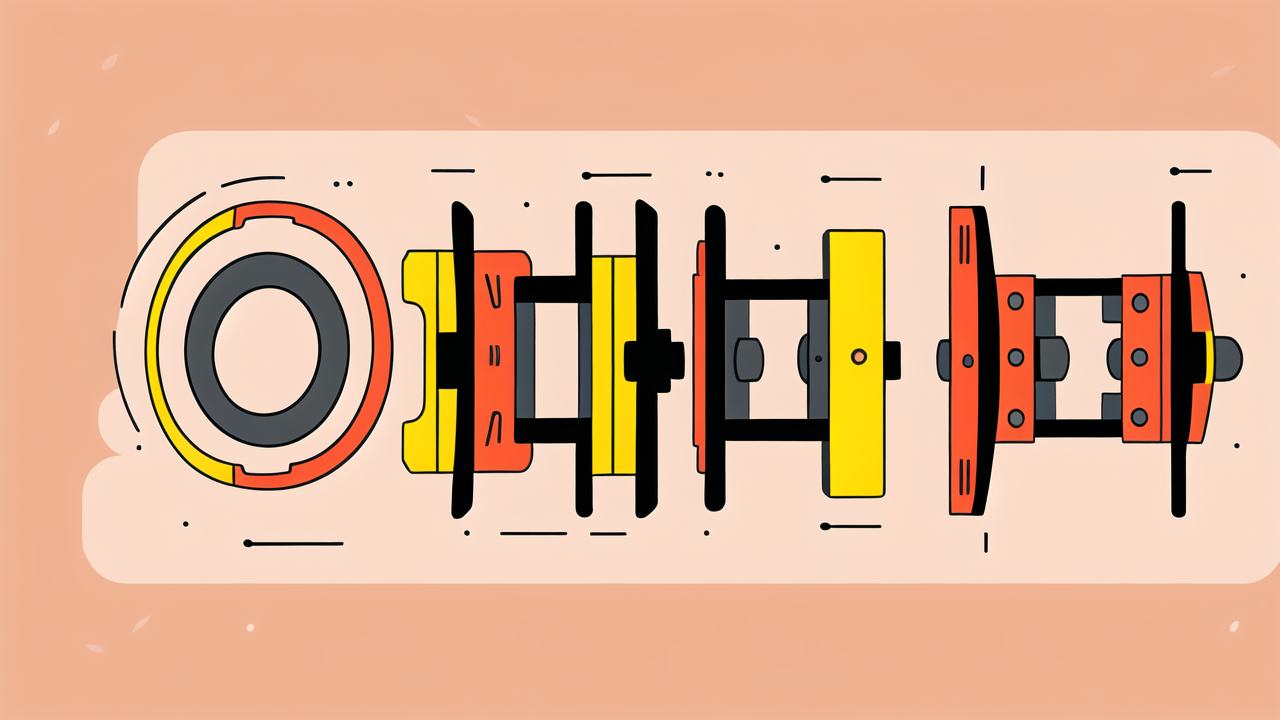
Key features of the 6211 2RS bearing include:
- Inner diameter: 55 mm
- Outer diameter: 100 mm
- Width: 21 mm
- Dynamic load capacity: 43.6 kN
- Static load capacity: 31 kN
The 6211 2RS bearing is known for its high speed capability and low friction. It’s ideal for applications that require smooth operation and minimal maintenance.
What Is 6209 2RS Bearing?
The 6209 2RS bearing is also a sealed deep groove ball bearing. Like the 6211 2RS, it has rubber seals on both sides. The ‘6209’ indicates its size and type. This bearing is smaller than the 6211 2RS.
Key features of the 6209 2RS bearing include:
- Inner diameter: 45 mm
- Outer diameter: 85 mm
- Width: 19 mm
- Dynamic load capacity: 33.2 kN
- Static load capacity: 21.6 kN
The 6209 2RS bearing is versatile and can handle both radial and axial loads. It’s often used in electric motors, pumps, and other rotating machinery.
Comparing 6211 2RS and 6209 2RS: Specifications and Features
While both bearings are sealed deep groove ball bearings, they have some key differences:
- Size: The 6211 2RS is larger than the 6209 2RS in all dimensions.
- Load capacity: The 6211 2RS can handle higher loads, both dynamic and static.
- Applications: Due to size differences, they’re used in different types of machinery.
- Speed rating: The 6209 2RS typically has a higher speed rating due to its smaller size.
Both bearings share features like:
- Double rubber seals for protection against contaminants
- Ability to handle both radial and axial loads
- Low friction and smooth operation
- Suitability for various industrial applications
Choose between these bearings based on your specific application requirements.
Integrating 6211 2RS and 6209 2RS into Various Applications
Common Industrial Uses for 6211 2RS and 6209 2RS Bearings
Both 6211 2RS and 6209 2RS bearings find wide use in various industries. Their sealed design makes them ideal for challenging environments. Here are some common applications:
- Electric motors: Both bearings are often used in motor housings.
- Pumps and compressors: They handle the high speeds and loads in these machines.
- Conveyor systems: The bearings support rollers in conveyor belts.
- Agricultural machinery: They’re used in various farm equipment components.
- Automotive industry: These bearings are found in alternators and other car parts.
- HVAC systems: They’re used in fans and blowers for air conditioning units.
- Industrial fans: The bearings support fan shafts in large industrial fans.
- Machine tools: They’re used in various precision machinery.
The 6211 2RS, being larger, is often used in heavier machinery. The 6209 2RS is more common in smaller, high-speed applications.
Best Practices for Choosing the Right Bearing for Your Application
Selecting the right bearing is crucial for optimal performance and longevity. Here are some best practices to follow:
- Assess load requirements: Calculate both radial and axial loads your application will face.
- Consider speed: Determine the operating speed of your machinery.
- Evaluate environment: Factor in temperature, moisture, and contaminant exposure.
- Size constraints: Ensure the bearing fits within your design’s space limitations.
- Lubrication needs: Consider if the sealed bearing’s lubrication is sufficient.
- Life expectancy: Estimate how long the bearing needs to last in your application.
- Cost-effectiveness: Balance performance needs with budget constraints.
- Consult experts: When in doubt, seek advice from bearing manufacturers or engineers.
Remember, the right bearing can significantly improve your machine’s efficiency and lifespan.
How to Determine the Need for a Sealed Bearing Solution
Sealed bearings like the 6211 2RS and 6209 2RS are not always necessary. Here’s how to determine if you need a sealed bearing:
- Environmental factors: If your application is exposed to dust, dirt, or moisture, a sealed bearing is ideal.
- Maintenance schedule: Sealed bearings require less frequent maintenance, making them suitable for hard-to-reach locations.
- Contamination risks: In food processing or clean room environments, sealed bearings prevent grease leakage.
- Operating conditions: High-speed applications often benefit from sealed bearings to retain lubricant.
- Cost considerations: While sealed bearings may cost more upfront, they can save money on maintenance long-term.
- Lifespan requirements: If you need a long-lasting bearing with minimal intervention, sealed bearings are a good choice.
- Safety concerns: In some applications, preventing bearing failure is critical for safety, making sealed bearings preferable.
If your application meets several of these criteria, a sealed bearing like the 6211 2RS or 6209 2RS might be the best choice.
Maintenance and Upkeep: Ensuring the Longevity of Your 6211 2RS and 6209 2RS Bearings
Preventive Measures for Sealed Bearings Care and Maintenance
While sealed bearings like 6211 2RS and 6209 2RS require less maintenance, proper care can extend their lifespan. Here are some preventive measures:

- Regular inspection: Check for signs of wear, noise, or vibration periodically.
- Proper installation: Ensure bearings are correctly mounted to avoid uneven load distribution.
- Avoid overloading: Stay within the bearing’s specified load capacity.
- Temperature control: Keep operating temperatures within the recommended range.
- Cleanliness: Even with seals, try to keep the environment as clean as possible.
- Vibration monitoring: Use vibration analysis tools to detect early signs of wear.
- Proper storage: Store spare bearings in a clean, dry place to prevent corrosion.
- Avoid impact: Handle bearings carefully to prevent damage to the seals or races.
Remember, while sealed bearings are low-maintenance, they’re not maintenance-free. Regular checks can prevent costly breakdowns.
Troubleshooting Common Issues with 6211 2RS and 6209 2RS Bearings
Even with proper care, bearings may develop issues. Here are common problems and their potential causes:
- Excessive noise: Could indicate lack of lubrication, contamination, or damage.
- Overheating: Often caused by over-lubrication, misalignment, or excessive load.
- Vibration: May be due to wear, damage, or improper installation.
- Seal damage: Can result from harsh environments or improper handling.
- Reduced speed: Might indicate increased friction due to wear or contamination.
- Stiffness: Could be caused by corrosion or dried-out lubricant.
- Visible wear: Signs of pitting or spalling indicate the need for replacement.
If you notice any of these issues, it’s best to consult with a bearing specialist for proper diagnosis and solution.
When to Consider Replacement for Your Sealed Bearings
Knowing when to replace your 6211 2RS or 6209 2RS bearings is crucial for maintaining equipment efficiency. Here are signs that indicate replacement might be necessary:
- Excessive noise: If the bearing is significantly louder than when new, it may be time to replace.
- Increased vibration: Persistent vibration often indicates bearing wear.
- Heat generation: If the bearing or surrounding area is unusually hot during operation, consider replacement.
- Visible damage: Any signs of cracking, pitting, or seal damage warrant immediate replacement.
- Reduced performance: If your machine’s efficiency has noticeably decreased, the bearing might be at fault.
- Age: Even if no issues are apparent, consider replacing bearings that have exceeded their expected lifespan.
- Contamination: If you suspect the seal has been compromised and contaminants have entered, replace the bearing.
- After severe events: Replace bearings after any machine crash or severe overload event.
Remember, timely replacement can prevent costly downtime and potential damage to other machine components.


